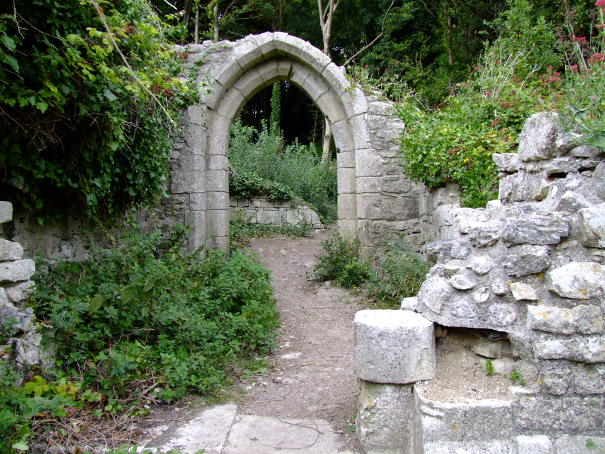
Picture of - 'Church Ope Cove Pirates Graveyard'

Take a Little Piece of Dorset Home
Love exploring Weymouth and Dorset? Take home beautiful coastal photography, digital artwork and local prints from my Folksy store.
Prices start from just £8.50 and include Weymouth Harbour, Weymouth Beach, Portland, Dorset landscapes and many more local scenes.
Shop All Dorset Prints →


Portland Pirates Graves - Church Ope Cove
The ruins of St Andrews Church stand high above Church Ope Cove on the Isle of Portland (some of the ruins are shown in the picture above). Smuggling and Piracy was once a common practice along these shores. The infamous 15th century pirate Harry Paye came from nearby Poole and the classic smuggling tale 'Moonfleet' was set just down the road in the village of Fleet. When one sees the skull and crossbones displayed on an ancient gravestone in a long ago abandoned churchyard above a secluded cove on Portland, they may well think they have stumbled upon a pirates grave. This is the reason why so many people call St Andrews Churchyard, 'Portland Pirates Graveyard' or 'Church Ope Cove Pirates graveyard'.
Church Ope Cove Pirate's Graveyard
St Andrews church was the first church on Portland, built around 1100 to replace an even earlier church. When you tread on this ground, you are walking in the footsteps where Portland inhabitants have worshipped for over 1000 years. The ruins that we see today stand above Church Ope Cove, having been destroyed by French Pirates and landslips, although rebuilt, the church was finally abandoned in the 1700s when St Georges Church was built further inland. The Picture above shows the ruins of the bell tower archway which likely dates back to the 1400s. In the graveyard are some monuments including one showing the skull and crossbones which created the legend of 'Portland Pirates Graveyard'. Portland Museum, which is close to Church Ope Cove has saved many of the stones from St Andrews Church if you want to see more history on Portlands first church.Portland Pirates Graveyard - did Pirates really live on Portland?
The Skull and Crossbones was often displayed on gravestones of this era and the tomb in this graveyard wouldn't have belonged to a pirate. However, Dorset was home to pirates such as the 15th century pirate Harry Paye of Poole. Pirates from France attacked Church Ope Cove and destroyed St Andrews Church in both the 1300s and 1400s so the local population would have been aware of the dangers from pirates around the shores. Smuggling was also a very popular activity and its highly likely that a small secluded cove like Church Ope Cove would have been the ideal place for smugglers to bring their loot ashore.Where is Church Ope Cove Pirates Graveyard
Portland Pirates Graveyard can be found by following the footpath past Portland museum to church Ope Cove, once at the viewing point above the cove, follow the steps down towards the beach and you will see the sign to St Andrews church, follow the steps up and you will find yourself in the Church Ope Cove pirates graveyard. There are many steps and they are pretty steep.Church Ope Cove Parking
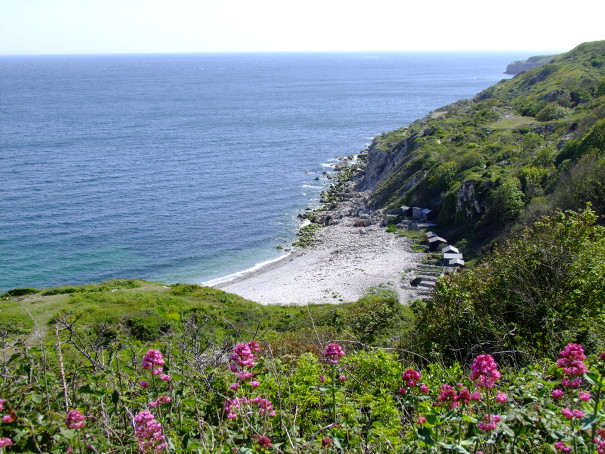
Church Ope can be found as you drive from Easton Square down towards Portland Bill on the left hand side. There is on street parking from which a short walk will take you down a little alleyway with the remains of Rufus castle high above you. Here you will find the beautiful Church Ope Cove viewing point. From here you can either follow the coastal path to the left or walk down the steps to the beach itself. The 'Pirates Graveyard' is located about halfway down.More about Church Ope Cove
Church Ope Cove Pirates graveyard is one of Church Ope Coves hidden secrets but this is a wonderful place to visit for a walk, a picnic or just a place to enjoy the peace and quiet. Click here to read more about Church Ope Cove.Frequently Asked Questions
Is there really a pirate buried at Church Ope Cove?
Despite its nickname, there is no evidence that actual pirates are buried at Church Ope Cove. The famous "Pirates' Graveyard" is part of the ruins of St Andrew's Church, where several gravestones feature skull and crossbones carvings. While this symbol is often associated with piracy today, it was commonly used in the 17th and 18th centuries as a memento mori reminder of mortality rather than an indication that the deceased was a pirate.
Can you visit Portland Pirates' Graveyard?
Yes, Portland Pirates' Graveyard is open to visitors and can be explored free of charge. The graveyard lies within the atmospheric ruins of St Andrew's Church, just a short walk from Church Ope Cove. Visitors should wear suitable footwear, as some paths and steps leading to the site can be uneven.
Is Church Ope Cove worth visiting?
Absolutely. Church Ope Cove is widely regarded as one of Dorset's hidden gems. The secluded pebble beach is surrounded by dramatic cliffs and rich history, including Rufus Castle, the ruins of St Andrew's Church, and the famous Pirates' Graveyard. Whether you're interested in local legends, coastal walks, swimming, or photography, Church Ope Cove is well worth a visit.
Own a tourism or visitor-focused business?
Reach visitors planning trips to Weymouth and Dorset.
Learn How to Get Featured
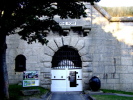
The Nothe Fort is a victorian fort now a museum of life in Weymouth during world war II.
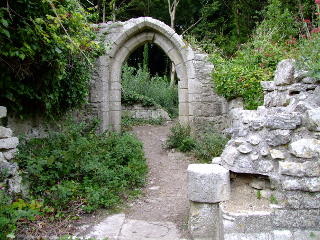
The Pirates Graveyard at Church Ope Cove on Portland is found high above Church Ope Cove.
Tyneham Ghost Village is a deserted village.
There are plenty of things to do in Weymouth when it rains and lots more things to do around Dorset too.
Did you know that the Black Death arrived in England in 1348 through the port of Weymouth.
Portland Harbour History, the Portland Breakwaters, the sinking of HMS Hood and Portland at war.